Bien Être Psy
Cultivating a Gentle Morning Routine for Mental Clarity
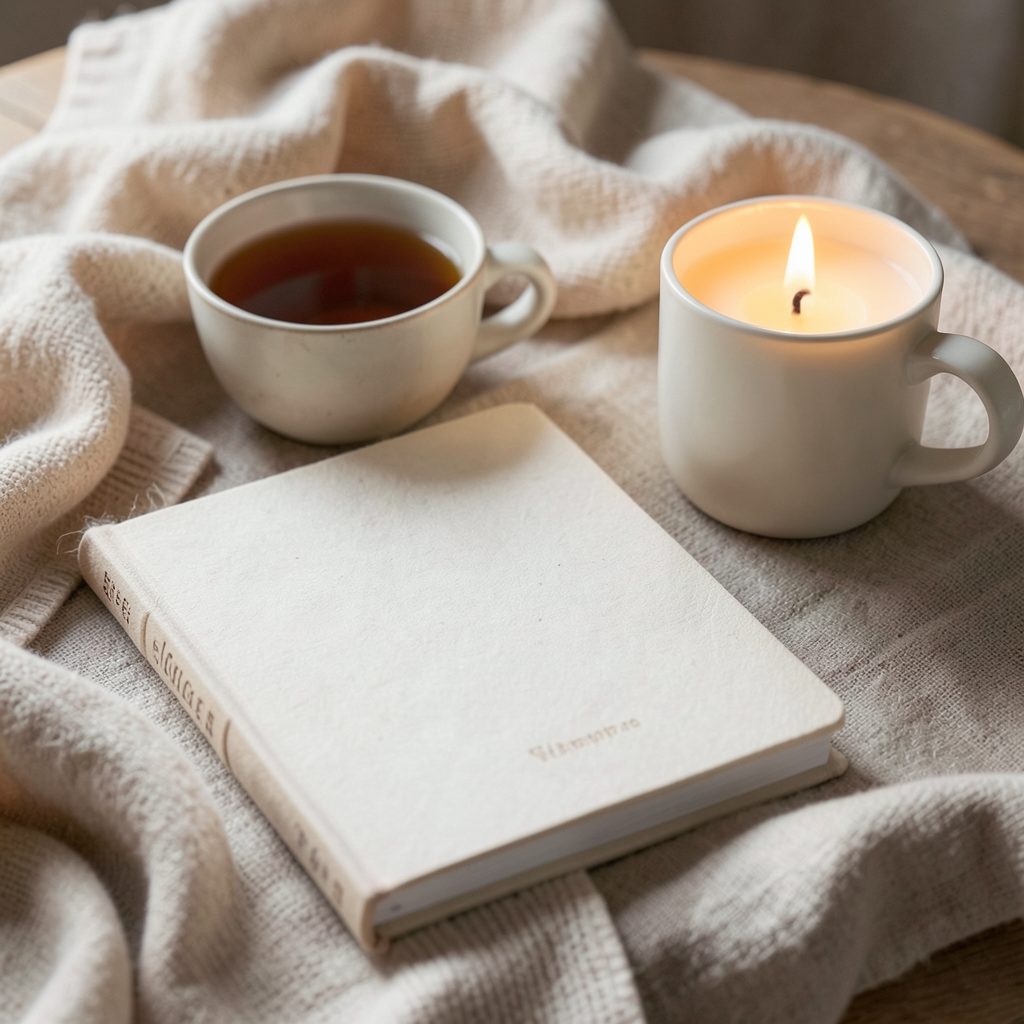
Small, intentional rituals at the start of the day can set a tone of calm and presence that ripples through every hour that follows.
Toute l'actualité pour être bien au quotidien !
Category
Exploring psychological well-being and emotional health through a holistic lens — where mind, body, and daily habits meet to support a calmer, more balanced inner life.
Psychological well-being is not simply the absence of stress or worry—it is an active, ongoing practice of tending to the inner life with the same care we give our physical health. Building emotional resilience begins with small daily habits: mindful breathing, regular movement, nourishing meals, and honest self-reflection. When we treat our mental state as something to cultivate rather than fix, we shift from a reactive posture to a proactive one. This holistic approach recognizes that the mind does not exist in isolation from the body or from the rhythms of everyday living, and that lasting balance emerges when all these elements are honored together.
The relationship between mood and routine is far more powerful than many realize. Sleep quality, hydration, exposure to natural light, and even the structure of our mornings can shape how we feel emotionally throughout the day. Experts increasingly point to the value of anchoring ourselves in consistent patterns while remaining flexible enough to adapt when life interrupts. A calmer inner life often grows from the simplest foundations: a walk outdoors, a conversation without screens, a moment of stillness before the day accelerates. These micro-practices accumulate, gradually rewiring how we respond to pressure and uncertainty.
Emotional health also thrives on connection. Human beings are wired for belonging, and meaningful relationships serve as a protective buffer against anxiety and low mood. Yet genuine connection requires more than proximity—it demands presence, active listening, and the willingness to be vulnerable. Cultivating a small circle of trusted people who see us clearly and accept us fully can transform how we navigate difficult seasons. At the same time, learning to set healthy boundaries protects our energy and prevents resentment from quietly eroding the bonds we value most. Balance, in this sense, is both internal and relational.
Finally, it is worth remembering that well-being is not a destination but a continuous, evolving journey. Some weeks will feel lighter, others heavier, and that natural fluctuation is part of being human. What matters most is the commitment to return to ourselves again and again—through rest, through honest reflection, through the small choices that honor our needs. By approaching psychological health with curiosity rather than judgment, we open the door to greater self-compassion and a more sustainable sense of peace. The goal is not perfection but a gentler, more grounded way of moving through the world.
Bien Être Psy
Small, intentional rituals at the start of the day can set a tone of calm and presence that ripples through every hour that follows.
Bien Être Psy
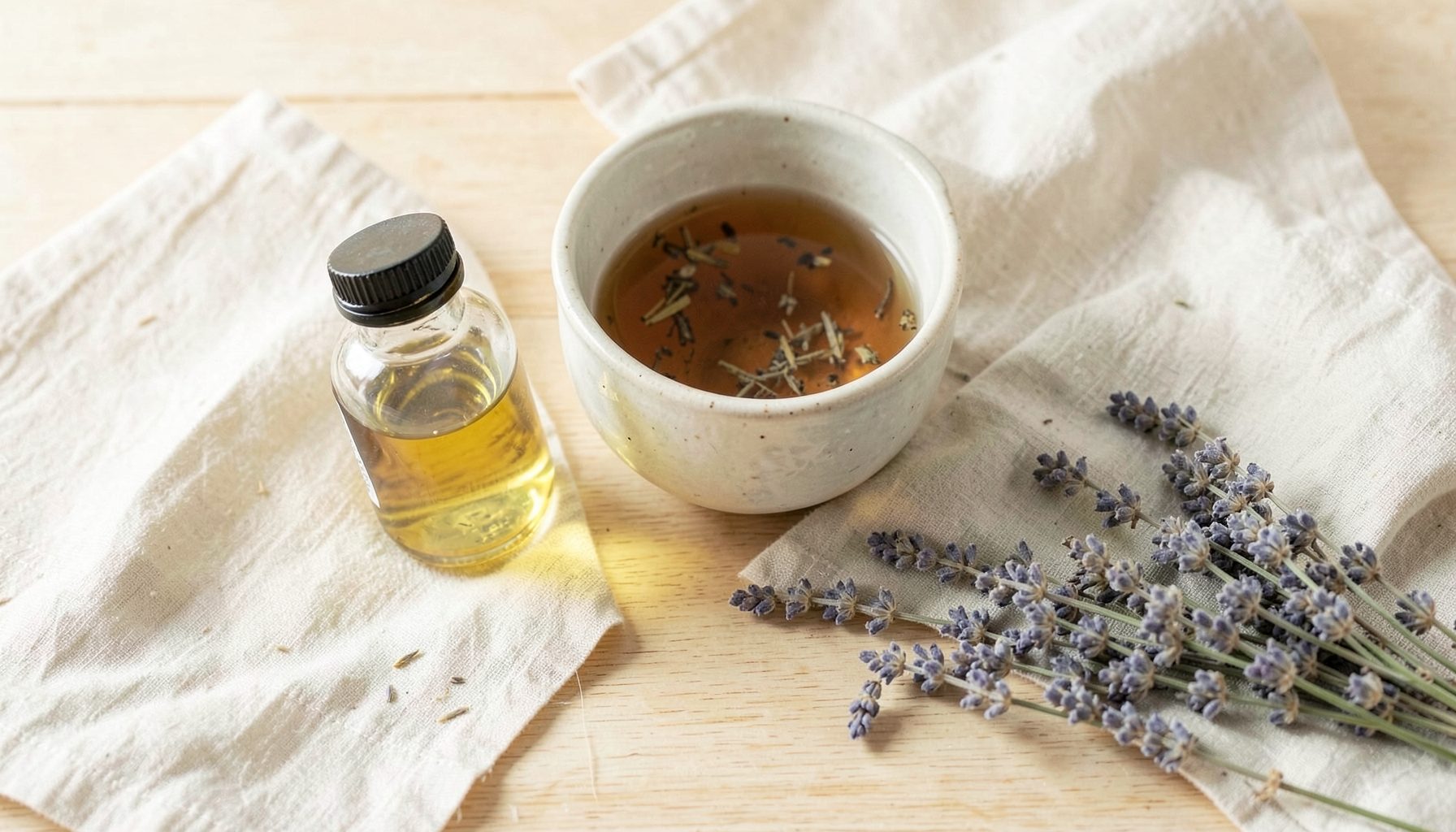
Essential oils have long been used to influence mood. A thoughtful look at which scents may help ease tension and lift the spirits.
Bien Être Psy
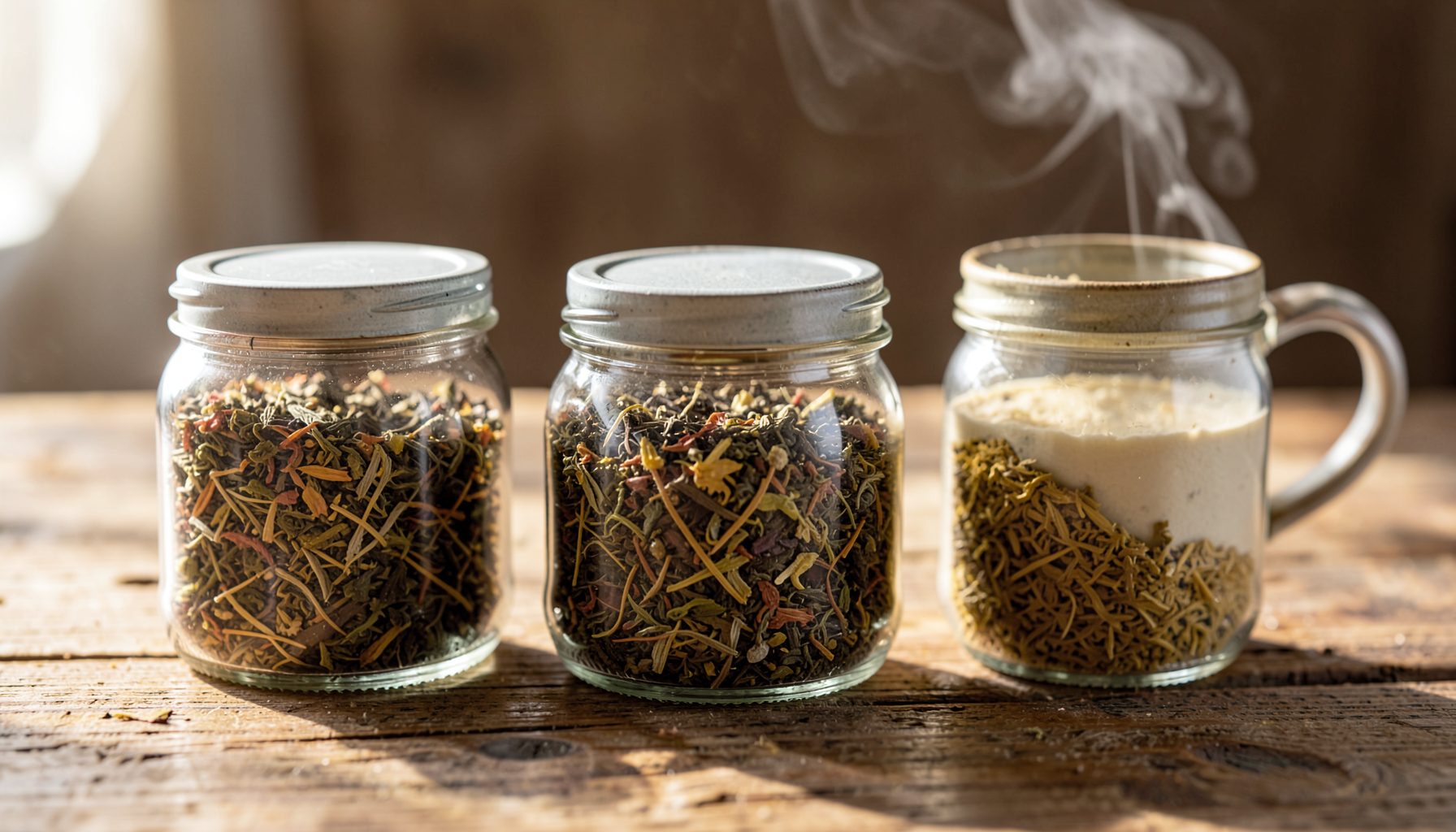
Steeping a warm cup of herbal tea can become a daily anchor — a moment to breathe, reflect, and reconnect with yourself.

Bien Être Psy
The environment where we sleep shapes the quality of our rest. Simple changes to lighting, texture, and scent can make a real difference.